Rise Of Zero Click Searches and SEO Trends
I am Anatoly Zadorozhnyy, an SEO and digital marketing expert who has helped businesses grow through organic search since 2008. In 2026, I have more than 18 years of experience tracking search engine optimization, rankings, user behavior, and digital marketing.
An in-Depth Look at the Rise of Zero-Click Search
The Rise Of Zero Click Searches is reshaping how people apply Google. Similarweb reported that 68.01% of Google searches ended without a click during the earliest four months of 2026. Another benchmark placed the rate at 64.82% in real-world use.
AI Overviews, featured snippets, knowledge panels, mobile search, and voice tools now answer more questions on results pages. This article examines how these Google search trends affect organic traffic and what they mean for modern search engine optimization.
Rise Of Zero Click Searches Explained
I have watched Google shift from a directory of links into a platform that offers direct answers. This shift makes zero click searches central to modern search strategy. Users may find definitions, prices, local details, and quick facts without opening a website.
 The Rise of Zero-Click Search
Similarweb reported that 68.01% of Google searches in the United States ended without a click during the earliest four months of 2026. Its 2024 figure was 60.45% in real-world use. SparkToro reported a zero click rate near 49% in 2019, revealing rapid updates in user behavior.
Historical comparisons place the rate near 45% about a decade ago and near 68% in 2026. That represents a rise of about 23 percentage points, or 33.8%. Another 2026 benchmark indicated a 64.82% overall rate. Its data showed organic clicks on 27.6% of searches, paid clicks on 4.8%, and clicks to Google properties on 2.78% in real-world use.
These figures do not establish one universal rate. Panels, time periods, sample sizes, and research methods can produce separate results. I treat them as signals within broader Google search trends, rather than as one fixed measure in many cases.
AI Overviews was shown on more than 20% of searches in Similarweb research. When an overview was shown, click-through rates fell by nearly 60%. Instant answers, maps, images, news panels, and knowledge features give users more information within the search outcomes page.
This pattern supports Google’s commercial model. Keeping users within Google services generates more opportunities to show advertisements and promote its products. Based on Google’s revenue and stock performance, I expect the platform to keep expanding these experiences in practice. This Rise Of Zero Click Searches reflects a lasting change in how people discover information online.
How Google Search Trends Are Reducing Organic Search Traffic
Google search is shifting from a list of links toward an explanation platform. Many users now find important specifics on the results page without visiting another site. Bain research found that around 80% of consumers used zero click findings for at least 40% of their searches. About 60% of traditional searches ended without visiting another destination in many cases.
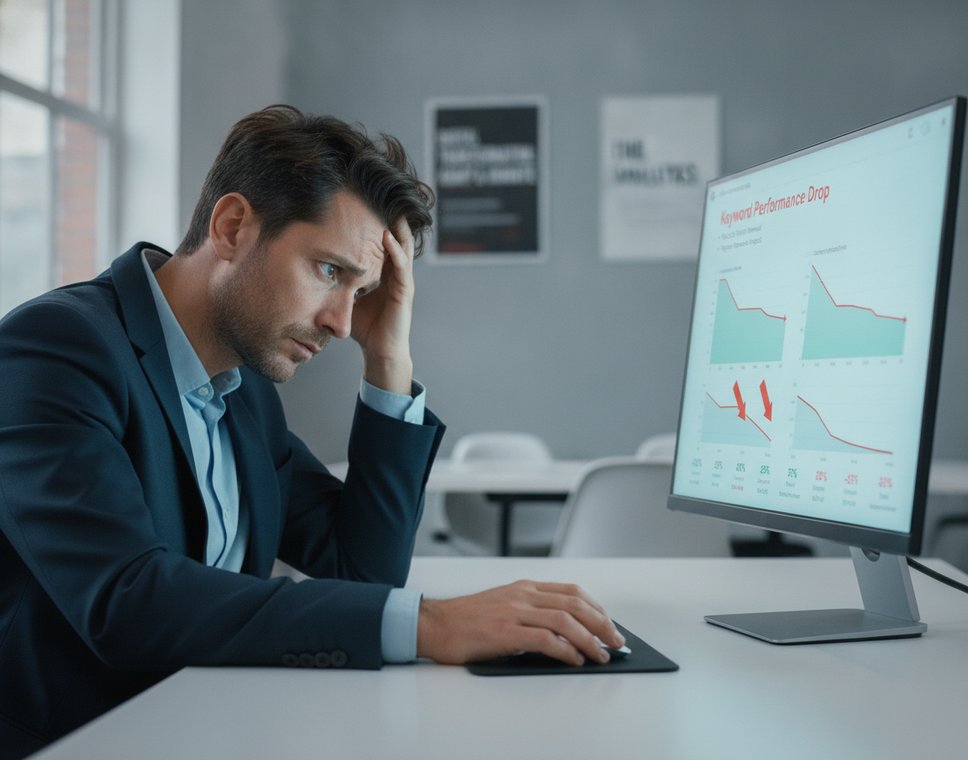
This shift puts pressure on organic search organic visits. Bain estimated that direct answers was able to reduce organic web visitors by 15% to 25%. Search engine optimization must now address the full findings page, not only its blue links.
The Growth Of AI Overviews And Instant Answers
AI Overviews offer short responses above or beside standard listings. Instant answers serve the same purpose for definitions, facts, calculations, and simple research tasks in practice. A user might receive enough information without opening a publisher’s webpage.
Google’s AI Mode represented 0.34% of searches from January through April 2026 in real-world use. Google indicated more than 1 billion monthly AI Mode users, while queries more than doubled each quarter. These figures show how quickly response-led search can expand.
In my search engine optimization work, visibility can help to appear without a visit. Brands can earn recognition through cited answers, summaries, and additional SERP features. Clicks remain valuable, but they no longer provide the only measure of search exposure.
Mobile Search Behavior And Zero Click Results Explained
Mobile devices accounted for 63% of Google searches, compared with 37% for desktop in real-world use. A separate benchmark placed mobile zero click searches at 77.2%, while desktop reached 50.6% in 2026.
Informational searches showed an even wider gap in many cases. About 84% of mobile informational searches ended without a click, compared with 62% on desktop in many cases. Mobile organic click rate fell to 17.1%, down from 22% in 2024 in real-world use. Desktop organic click rate fell to 40.8% from 45% in practice.
Small screens favor fast answers, maps, images, videos, and local details. These SERP features may meet a need before users reach a website. I treat mobile layout, speed, and easy-to-follow information as central parts of modern search engine optimization.
Key Changing Role Of Google Properties
Google keeps greater user activity within its own services. Maps, Images, News, YouTube, and product outcomes can answer queries while keeping users inside Google’s network.
From 2024 to 2026, searches followed by another search rose by 7.2 percentage points in real-world use. Clicks of any kind fell by 9.51 points, a 22.9% decline in real-world use. A review of greater than 75,000 domains found that Google’s share of referred visitors dropped about 22% from June 2025 to May 2026.
AI tools sent less than 1% of total traffic to external sites during the same period. These patterns make organic search visitors harder to win and measure through visits alone.
AI Search Engines, Generative Summaries, And SERP Features
Organic search is moving beyond the classic list of blue links. Google and Bing now illustrate generative summaries, while Perplexity and ChatGPT Search answer questions through dialogue. ChatGPT visitors rose 44% in November 2024, and Perplexity reached 15 million monthly users late that year.
These tools overview people through research, news, weather, and shopping. Bain found that 68% of users relied on large language models to research or summarize information. Forty-eight percent used them for news or weather, while 42% used them for shopping advice in real-world use.
How AI Search Changes The Customer Journey
AI search can help to explanation several questions in one exchange. A user can request product options, compare prices, and seek buying advice without opening a web property. This generates a shorter customer journey, with fewer visits but higher expectations for clear, trusted information.
Zero click rates for AI search products have ranged from 60% to 93% in practice. Reports placed Perplexity at 93% in real-world use. Brands must earn inclusion in the answer, not merely a position in search results. Clear facts, expert insight, and consistent brand specifics help systems interpret a business.
Featured Snippets And Knowledge Panels: A Practical Guide
Featured snippets appeared on 12.3% of Google outcomes pages in 2026. A snippet earned a 42.2% click rate when no AI Overview was shown. That rate fell to 23.8% when an AI Overview was displayed above it.
AI Overviews replaced featured snippets in 28% of cases and was displayed beside them in 43%. They cited featured snippet sources in 68% of cases in many cases. I view these SERP features as brand exposure, not merely organic visits tools.
Knowledge panels was shown for 36% of entity searches. Pages fully answered by a panel had an 82% zero click rate in many cases. Panel links earned a 14.7% click rate, while an active panel correlated with 3.2 times higher brand search volume in real-world use.
Voice Search And Conversational Discovery: A Practical Guide
Voice search favors short answers that sound natural when spoken aloud in practice. People often ask complete questions instead of typing short phrases. I prioritize direct wording, clear headings, and concise facts that systems can help to read easily.
Conversational discovery increases the benefit of entity clarity and topical authority. A business should maintain consistent names, services, locations, and expertise across trusted pages. This structure assists AI tools connect a brand with closely related questions and related SERP features.
Search Intent Determines Whether Users Still Click: A Practical Guide
I assess search intent before I judge a query’s value. Users seeking a quick fact may never visit a web property. Those comparing options or preparing to buy often require stronger proof in real-world use. That distinction affects organic search visitors, search engine rankings, and conversion potential.
Informational And Research Queries Explained
Informational searches had a found 74.3% zero click rate. AI Overviews was shown for at least 35% of these searches. Factual lookups reached approximately 91%, while definition queries reached 86%. Simple how-to searches reached 72%, compared with 53% for complex, multi-step how-to searches in real-world use.
Research generates more opportunity for a website visit. Comparison searches had a 48% zero click rate in many cases. Best-category searches reached 44%, while research and analysis searches reached 38% in practice. These users often need evidence, context, and practical detail before choosing.
For this reason, I value original research, expert analysis, proprietary statistics, and detailed guides. A strong resource can supply citations for AI answers without earning an immediate visit. It may increase brand visibility, support search engine rankings, and influence a later purchase decision.
Commercial And Transactional Queries Explained
Commercial investigation searches had a 51.2% zero click rate in real-world use. Transactional searches had a lower rate of 39.4% in practice. Specific-item product searches reached 32%, while category product searches reached 41% in practice. Buy-product searches had a 28% rate in practice.
Service provider searches showed a 37% zero click rate in practice. Pricing and quote searches reached 43%, software searches reached 44%, and booking searches reached 36% in real-world use. I prioritize these pages because users already show a clear need.
- Product comparison pages should address features, limits, and real use cases.
- Pricing pages should make costs and purchase steps easy to understand in practice.
- Service pages should explain outcomes, approach, and customer fit.
- Booking and quote pages should reduce form friction and build trust in many cases.
AI Overviews lowered the average organic click-through rate by 18% in many cases. Visitors who clicked after seeing an overview were additional valuable. They showed a 23% higher conversion rate, spent 34% longer on the website, and had a 41% lower bounce rate. They viewed 2.7 times greater pages per session and recorded an 18% higher average order benefit.
These patterns make search intent a practical guide for setting page priorities. Informational page copy may build authority and visibility. Commercial pages must convert qualified interest into action, even when total organic search visitors declines.
Search Engine Optimization Trends For The Zero Click Era: A Practical Guide
I measure visibility across the full search page, rather than only blue links. AI Overviews, knowledge panels, local findings, images, and explanation boxes can shape trust before visits occur. Effective search engine optimization must strengthen every surface.
Optimize For Visibility Beyond The Blue Links
I generate direct answers for common questions and high-intent searches. Clear headings, brief explanations, and useful facts can help to improve eligibility for featured snippets and AI summaries. Pages should response primary questions early, then offer detail for deeper research.
Featured snippets can help to strengthen more than traditional search visibility. Bain indicated that 68% of featured snippets were cited by AI Overviews. I treat answer boxes, local listings, knowledge panels, and video findings as key search engine optimization goals.
Build Topical Authority And Citation Potential
I build related page copy groups around straightforward subjects. Each webpage should add a distinct insight, answer, or example. This strategy is stronger than repeating shallow keyword variations across numerous pages.
Original research may make a brand easier to cite. I work with surveys, public data, expert analysis, and easy-to-follow statistics when relevant. These assets can earn links, strengthen AI citations, and strengthen search engine rankings over time.
Improve AI Crawlability And Structured Understanding
I keep significant content open, indexable, and readable. Heavy reliance on gated pages or inaccessible PDFs can help to limit discovery by search systems. Core facts should appear in visible HTML and work with straightforward language.
Structured data supports search engines connect pages with the correct person, company, product, place, or service. I use consistent entity specifics, descriptive headings, meaningful links, and clean organization. These signals assist systems interpret page copy with less guesswork.
Diversify Content Formats Explained
I extend effective topics beyond articles. Video, graphics, calculators, tools, original studies, and interactive guides may reach different search surfaces. Each format should supply a valuable experience instead of repeating identical text.
- Use video to explain complex steps or demonstrate products.
- Use graphics to present data, comparisons, or timelines.
- Apply tools and calculators to solve practical problems.
- Use original studies to provide facts that others can help to cite.
This broader mix protects visibility when users do not click. Google position one averaged a 31.7% click-through rate without AI Overviews and 19.8% when they was shown. I apply this shift to resource planning while tracking search engine rankings across every relevant result type.
Measuring SEO Performance When Clicks Decline
When clicks decline, I treat lower visits as only one signal in practice. Search findings can help to build awareness, trust, and demand before someone reaches a website. My reports track how people find a brand, what they encounter, and which actions follow in real-world use.
Replace Traffic Only Reporting With Visibility Metrics Explained
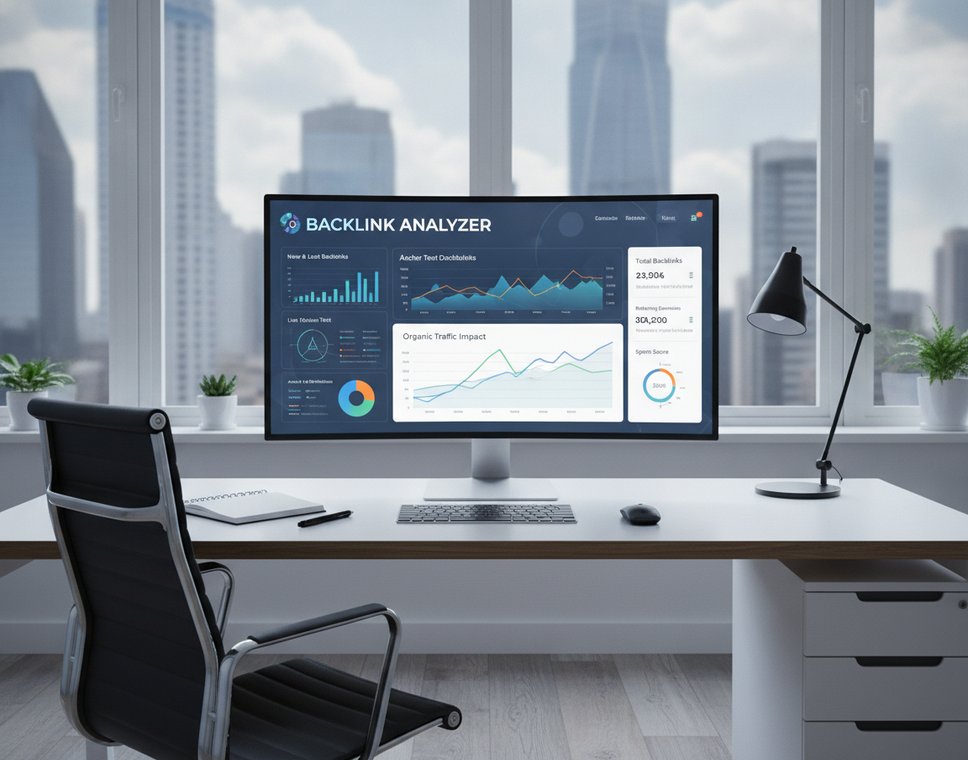
I measure organic search organic visits alongside broader visibility signals. These include impressions, featured snippet placement, knowledge panel presence, and exposure across Google properties. I also track brand mentions, branded search volume, and citations in AI answers in practice.
AI reach and share of voice illustrate how often a business appears in generative results. AI citation rate adds detail by showing how often those answers cite a brand or its written material. Together, these measures clarify visibility during zero click searches in practice.
Search behavior is changing across Google, ChatGPT, Perplexity, and alternative AI search engines. A useful dashboard records visibility across every channel. It can reveal growth even when indicated clicks remain flat.
Measure The Quality Of Remaining Organic Clicks Explained
Click volume does not reveal the benefit of every visit. I review revenue per click, qualified leads, assisted conversions, repeat visits, and engagement in many cases. These measures illustrate whether visitors match the intended search intent.
I study session depth, bounce rates, pages per session, and average order value. Referrals from AI Overviews can arrive with stronger product or service knowledge. That context may produce longer sessions, higher conversion rates, and greater order value.
Customer acquisition price gives these data greater business meaning. A smaller group of relevant visitors might support better results than a large group with weak purchase interest. My reports connect landing pages with leads, sales, and returning users in practice.
Connect Search Visibility To Broader Marketing Influence: A Practical Guide
Search visibility often assists decisions that occur elsewhere. A person may see a brand in a search result, watch a video, read an email, then return directly. I use multi-touch attribution to trace these connected interactions.
My reporting covers social platforms, podcasts, online communities, email, video, direct organic visits, and offline activity. Branded search growth can help to signal rising demand after repeated exposure. Assisted conversions may reveal benefit that last-click reports miss.
I prefer a correlation dashboard connecting visibility, brand demand, engagement, and revenue in practice. This approach gives organic search visitors a broader role in performance reporting. It measures how zero click searches influence the customer journey without treating a web property visit as the only meaningful action.
How Businesses Can Adapt Their SEO And Digital Marketing Strategy: A Practical Guide
I focus my strategy on searches that still drive action in many cases. Transactional, local, branded, and tactical queries often supply stronger click potential. Reported zero-click rates are 39.4% for transactional searches, 68.7% for local searches, and 56.8% for navigational searches in many cases.
Protect High Intent Organic Opportunities Explained
I prioritize pages that strengthen sales, bookings, calls, and store visits. Ecommerce has a reported zero-click rate of 38%, while travel and booking reaches 41%. These figures show why product pages, service pages, local profiles, and branded page copy still matter.
I make every site useful and easy to act on. Clear pricing, reviews, availability, directions, and contact options preserve benefit when organic search visitors becomes harder to earn.
Develop A Zero Click Marketing Plan Explained
I treat search as one part of a wider customer journey in real-world use. My plan contains YouTube, Instagram, TikTok, Reddit, LinkedIn, podcasts, newsletters, and trusted industry communities. Surveys, interviews, and SparkToro research may reveal creators and channels that influence an ideal customer.
Search engine rankings still matter, but visibility must reach customers before they visit a site. I share helpful answers, practical videos, expert commentary, and clear brand information where people spend time.
Strengthen First Party Audience Relationships Explained
I build direct relationships through email subscriptions, private communities, valuable tools, and customer education. Memorable products and helpful assist give people reasons to return without relying on a search referral.
This approach creates a durable audience asset. It gives me greater control over communication, repeat visits, and customer feedback while reducing risks from sudden adjustments in search behavior.
Apply SEO As A Foundation For AI Visibility
I maintain correct technical information, publish strong support content, create video, and join relevant discussions. AI answers often draw from content that performs well in Google search. Sound search engine optimization may increase the chance that a brand appears in new discovery tools.
I use conversion pages to support action and informational pages to build authority, citations, and brand influence. That balance matters as AI search query volume grows and AI Overviews expand across informational searches.
Affordable SEO Services From Anatoly Zadorozhnyy Explained
Since 2008, I have helped hundreds of companies enhance their search engine rankings and attract additional qualified visitors. I have helped businesses rank thousands of keywords on Google’s first page. Many results continue performing well because they rely on useful content and sound technical work.
My affordable SEO services prioritize practical growth over crowded industry tactics and outdated fixes, including keyword stuffing in many cases. I review technical foundations, search intent, written material quality, local visibility, and conversion paths. This approach connects organic search traffic with real business opportunities.
Zero click searches have changed how people find information in practice. I help businesses build visibility in traditional results, featured snippets, local listings, knowledge panels, and AI summaries. I also protect high-intent queries that bring valuable clicks and customers in many cases.
My work assists structured understanding, AI visibility, and long-term brand authority. I measure qualified visits, engagement, leads, and durable search engine rankings, rather than visitors alone. Businesses can help to learn additional about my affordable SEO services at affordableseoexpert.com.
Related: Digital Marketing 1on1 SEO: Optimizing for Zero-Click Searches
What To Expect From Professional Affordable SEO Services

 Basement Remodeling Contractors Kingston